Melanie Klein on dealing with your parents

One of the biggest names in the world of psychoanalysis is Melanie Klein (1882-1960), who was born in Vienna but spent most of her career in London. Her descriptions of her therapeutic treatments with children gave us new ways of understanding the processes of a child's inner life. At the same time, her examples and conclusions can sometimes raise even the most die-hard sceptics' eyebrows. But her groundbreaking theories have shaped virtually all psychoanalytic thinking since her time. Unlike Donald Winnicott, she addressed almost exclusively an already initiated audience of clinically working psychotherapists. Her only exception is the highly readable and excellent article "Love, Guilt, and Reparation" from 1937, which is available in Swedish in the book of the same name, where she addresses an interested general public.
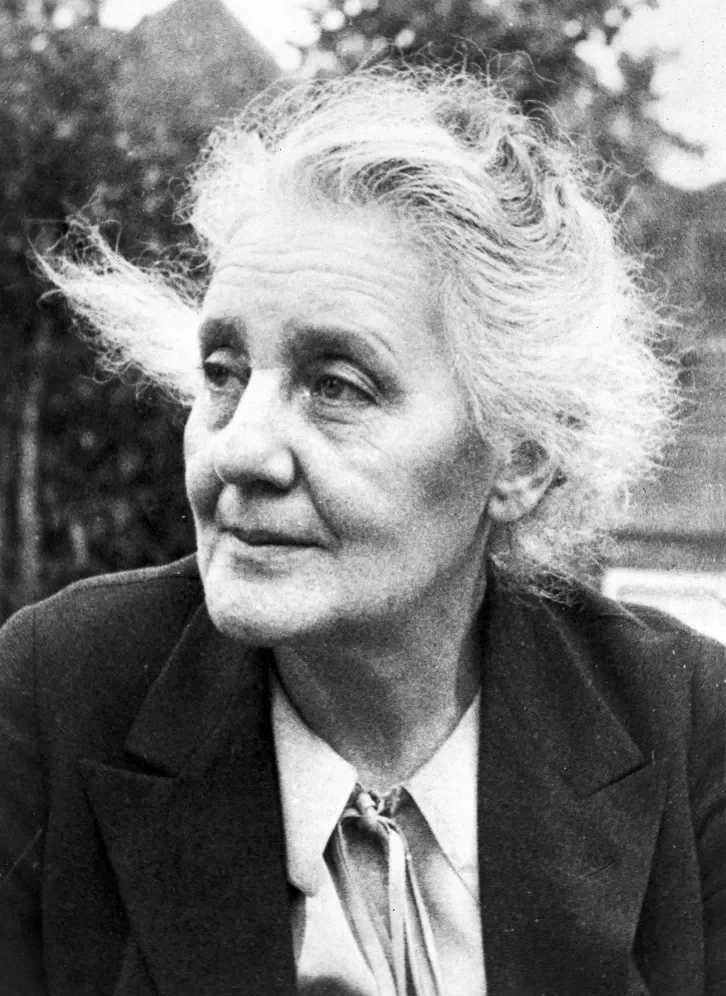
The text examines the internal and external challenges and opportunities that people encounter throughout their lives. She discusses the conditions of infancy, conflicts in the home, parenthood, marriage, friendships in different stages of life, and love and creativity. We observe how external circumstances shape the inner world. One of the things she writes about, and which all people need to address to some extent, is how to deal with complex feelings toward one's own parents:
Our dissatisfaction with our parents for disappointing us and the feelings of hatred and revenge that this has given rise to, the feelings of guilt and despair that have arisen from hatred and revenge, because we hurt the parents we loved at the same time—we can undo all of this in retrospect and in our imagination (eliminate some of the causes of hatred) by simultaneously playing the roles of loving parents and loving children. In our unconscious fantasies, we simultaneously make amends for the damage we have caused in our imagination and for which we still unconsciously feel very guilty.
It is common for people who feel anger toward their parents to feel a strong need to resolve conflicts with them, set boundaries, or in some cases distance themselves. We often do this with an open or hidden desire that they will eventually understand us and shape up. However, the likelihood of this happening is not enough to build either hope or disappointment on. Klein helps us to distinguish between the external parent and the one we carry within us, regardless of whether they are present or not, dead or alive:
If the analysis of our patients reduces the anxiety caused by destructive and persecutory inner parents, it follows that hatred and, in turn, anxiety are reduced, and patients can revise their relationship with their parents—whether they are alive or dead—and, to some extent, restore them even if the patients have good reasons for disapproval. This greater tolerance enables them to build up "good" parental figures more firmly within themselves, alongside the "evil" inner objects, or rather to mitigate their fear of these "evil" objects by placing their trust in the "good" objects. This means that it becomes possible for them to experience feelings—grief, guilt, and loss as well as love and trust—so that they can go through the grieving process but get over it and finally overcome the infantile depressive position, which they did not manage to do during childhood.
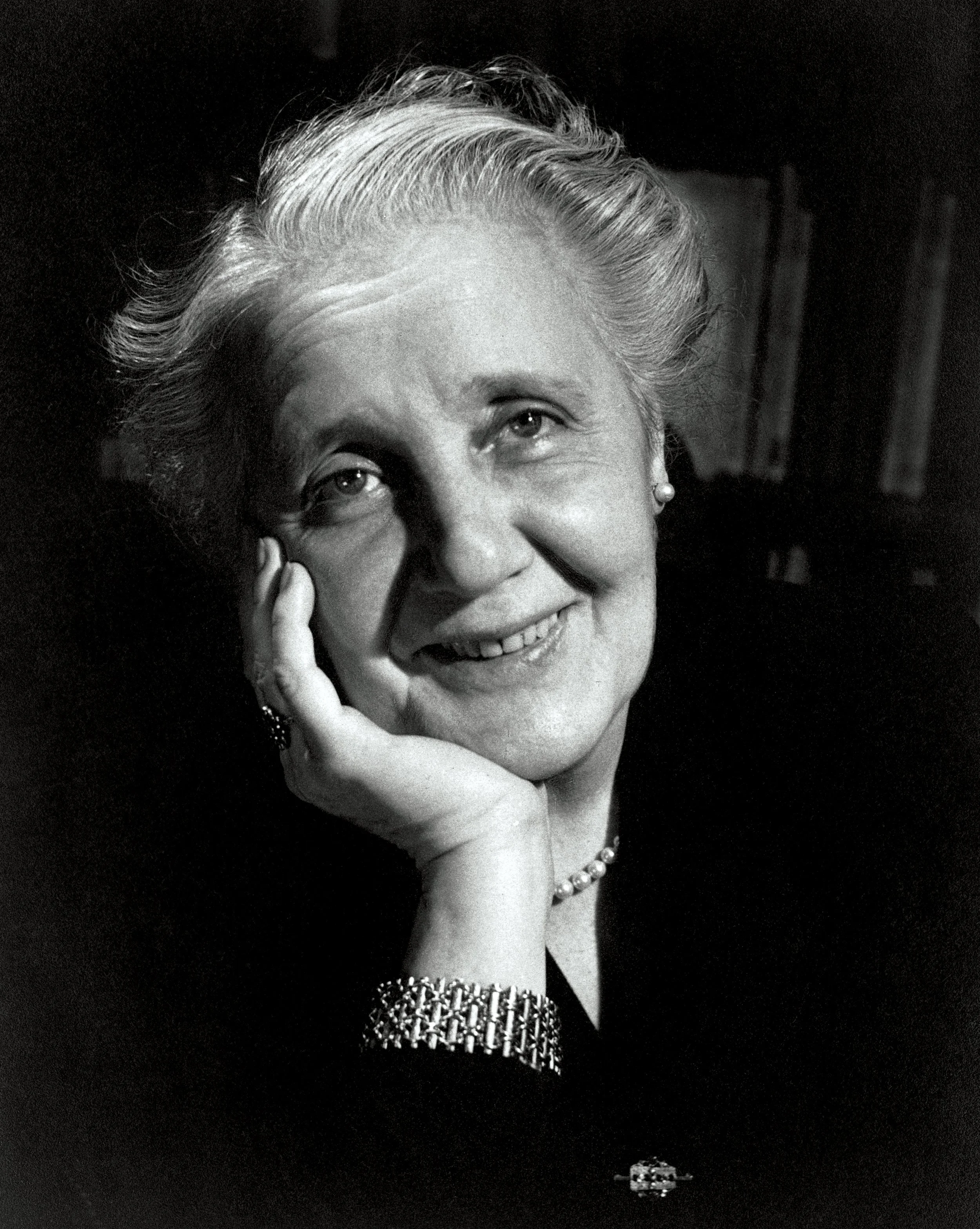
Klein's article is comprehensive in its ambitious approach, and she concludes her text with a simple statement: If we are to have adult and mature relationships with other people, as they actually are, we must find a way to accept the shortcomings of our parents, ourselves, and other people. If I can tolerate the grief of things not turning out exactly as I wanted them to, then there is room for love.
Finally, I would like to say that a good relationship with ourselves is a prerequisite for love, tolerance, and wisdom toward others. This good relationship with ourselves has, as I have tried to show, partly developed from a friendly, loving, and understanding attitude toward others, namely those who meant a lot to us in the past and whose relationship with us has become part of our inner selves and our personalities. If, deep down in our unconscious imagination, we have managed to clear away all resentment from our feelings toward our parents and have forgiven them for the frustrations we had to endure, then we can find peace with ourselves and love others in the true sense of the word.